
Key IT Disposal Cost Factors Every Business Should Know

Disposing of IT assets is more than just clearing out old equipment. It’s a critical process that impacts your organisation’s security, compliance, and environmental footprint. Understanding the factors that influence IT disposal costs helps you plan better and avoid unexpected expenses. I’ll walk you through the main elements that affect these costs and share practical tips to manage them effectively.
IT Disposal Cost Factors
Several variables determine how much you’ll spend when disposing of IT assets. These factors range from the type of equipment to the disposal method and regulatory requirements. Let’s break down the most important ones:
1. Type and Condition of IT Assets
The kind of equipment you need to dispose of plays a big role in cost. For example, disposing of old servers or networking hardware often costs more than getting rid of desktop computers or peripherals. Why? Larger and more complex devices require special handling and sometimes disassembly.
The condition of the assets also matters. Functional or lightly used equipment might be resold or refurbished, reducing disposal costs or even generating revenue. On the other hand, damaged or obsolete items often require more labour and processing, increasing expenses.
2. Data Security Requirements
Data security is non-negotiable when disposing of IT assets. You must ensure all sensitive information is completely destroyed or wiped. This process can involve:
Physical destruction (shredding, crushing)
Data wiping using certified software
Decommissioning storage devices securely
The more stringent your data security needs, the higher the cost. For example, physical destruction is often more expensive than software wiping but provides greater assurance. If you handle sensitive or regulated data, you’ll likely need to invest in secure disposal methods to avoid compliance risks.
3. Compliance and Environmental Regulations
Disposing of IT equipment must comply with local and international laws. In South Africa, regulations like the National Environmental Management: Waste Act require responsible handling of electronic waste. Non-compliance can lead to fines and reputational damage.
Meeting these regulations often means working with certified disposal partners who follow strict environmental standards. This can increase costs but protects your organisation from legal and environmental risks.
4. Volume and Frequency of Disposal
The amount of equipment you dispose of and how often you do it affects pricing. Large volume disposals may qualify for discounts or more efficient logistics. Conversely, small or irregular disposals might cost more per unit due to handling and transport overheads.
Planning regular disposal schedules can help you negotiate better rates and streamline the process.
5. Logistics and Transportation
Transporting IT assets to disposal or recycling centres adds to the overall cost. Factors influencing logistics expenses include:
Distance to the disposal facility
Weight and size of the equipment
Need for specialised transport (e.g., secure containers)
Choosing a disposal partner with local facilities can reduce transportation costs and carbon footprint.
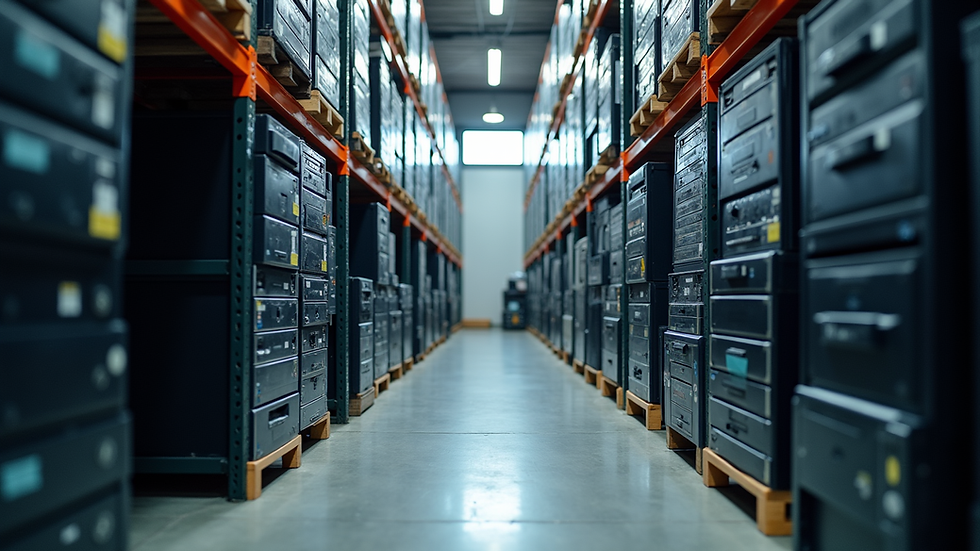
How to dispose of IT assets?
Disposing of IT assets properly requires a clear, step-by-step approach. Here’s a practical guide to help you manage the process efficiently:
Step 1: Inventory and Categorise Assets
Start by creating a detailed inventory of all IT equipment slated for disposal. Categorise items by type, condition, and data sensitivity. This helps you decide the best disposal method for each category.
Step 2: Data Sanitisation
Before disposal, ensure all data is securely erased or destroyed. Use certified data wiping tools or physical destruction methods depending on your security needs. Keep records of data sanitisation for compliance purposes.
Step 3: Choose a Certified Disposal Partner
Work with a reputable and certified IT asset disposal company. They should provide:
Secure handling and transport
Environmentally responsible recycling or destruction
Compliance with local regulations
Certificates of destruction or recycling
Step 4: Plan Logistics
Coordinate the collection and transportation of assets. Consider scheduling regular pickups if you dispose of equipment frequently. This reduces costs and simplifies management.
Step 5: Documentation and Reporting
Maintain thorough documentation of the disposal process. This includes inventory lists, data destruction certificates, and recycling reports. Proper records demonstrate compliance and support your organisation’s sustainability goals.

Additional Factors Affecting IT Disposal Costs
Beyond the main factors, some other elements can influence your expenses:
Asset Recovery Value: Some IT equipment retains resale or refurbishment value. Recovering this value can offset disposal costs.
Labour Costs: Manual dismantling or specialised handling increases labour expenses.
Disposal Method: Recycling, resale, donation, or destruction all have different cost implications.
Urgency: Emergency or expedited disposal services usually come at a premium.
Contract Terms: Long-term contracts with disposal providers may offer better rates than one-off services.
Managing Your IT Disposal Budget
To control the cost of it asset disposal, consider these strategies:
Plan Ahead: Schedule regular disposals to avoid last-minute rush fees.
Consolidate Assets: Group disposals to benefit from volume discounts.
Maximise Asset Recovery: Identify equipment suitable for resale or donation.
Choose Local Partners: Reduce transport costs and environmental impact.
Verify Compliance: Avoid fines by working with certified disposal companies.
Negotiate Contracts: Secure favourable terms for ongoing disposal needs.
By understanding and managing these factors, you can reduce costs while ensuring secure, compliant, and sustainable IT asset disposal.
Final Thoughts on IT Disposal Cost Factors
Disposing of IT assets is a complex but essential task. The costs involved depend on many factors, from the type of equipment to data security and regulatory compliance. By taking a strategic approach, you can control expenses and protect your organisation’s interests.
Remember, investing in proper IT asset disposal safeguards your data, supports environmental responsibility, and keeps you compliant with laws. It’s not just about cost - it’s about value and risk management.
Use this knowledge to make informed decisions and partner with trusted disposal providers who understand your unique needs. That way, you’ll turn IT asset disposal from a costly burden into a streamlined, secure process that supports your business goals.


Comments